Most people know they should brush and floss every day. But knowing something and actually doing it consistently are two very different things. October is National Dental Hygiene Month, and it is the perfect opportunity to take an honest look at your current oral health habits, identify what is missing, and build a routine that actually works for your whole family.
Why Dental Hygiene Month Matters for Your Smile
Dental Hygiene Month is not just a calendar observance. It is a yearly reminder that the small daily habits you build around your oral health have a direct impact on your overall well-being. From the foods you eat to how often you see your dentist, everything connects.
What National Dental Hygiene Month Is All About
Every October, dental professionals across the country use Dental Hygiene Month to raise awareness about the importance of preventive oral care. The focus is on education, encouraging patients to understand not just what to do, but why it matters. Healthy gums and teeth are not just about a nice smile. Research continues to show strong links between oral health and systemic conditions like heart disease and diabetes, making good dental hygiene one of the most valuable investments you can make in your overall health.
Why October Is the Perfect Time to Reset Your Oral Health Habits
The end of the year tends to bring busier schedules, holiday indulgences, and a tendency to let routines slip. Getting ahead of that in October by locking in solid oral health habits means you are going into the holiday season prepared rather than playing catch-up in January. It is also a great time to schedule a cleaning and exam if you have not been in recently, making sure your smile is in the best possible shape before the year wraps up.
The Foundation of a Strong Oral Health Routine
A strong oral health routine does not have to be complicated. It comes down to three core practices done consistently and done correctly.
How to Brush Your Teeth the Right Way
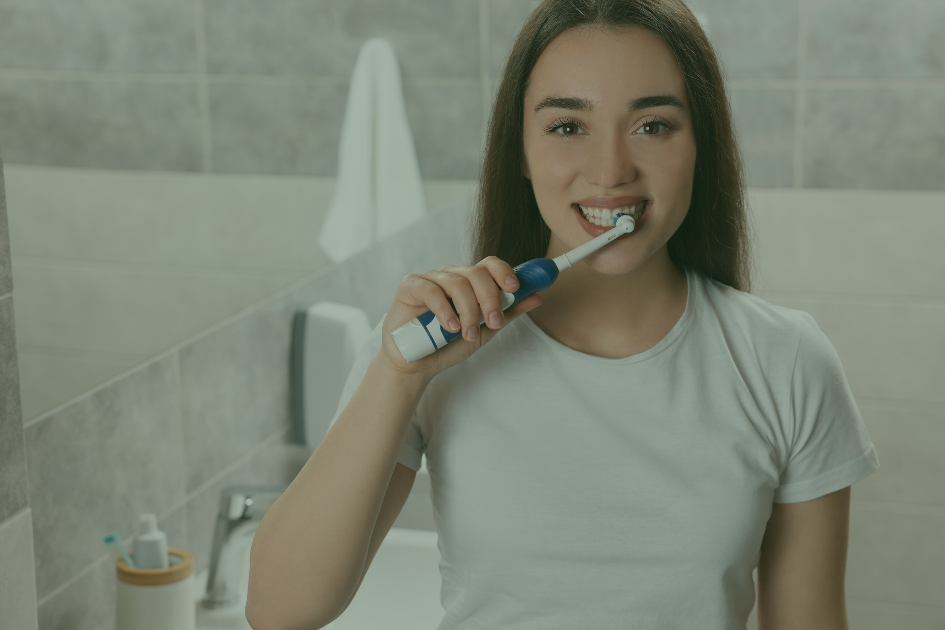
Brushing twice a day is the baseline, but technique matters just as much as frequency. Use a soft-bristled toothbrush and a fluoride toothpaste, and spend a full two minutes brushing in gentle circular motions rather than scrubbing back and forth. Make sure you are covering every surface of every tooth, including the backs and the chewing surfaces. Hold your brush at a slight angle toward the gum line to clean where the tooth meets the gum, which is one of the most common spots for plaque to build up unnoticed.
Why Flossing Every Day Still Matters
No matter how well you brush, your toothbrush cannot reach the tight spaces between your teeth. That is where floss comes in, and it is not optional. Plaque that is left between teeth hardens into tartar, which can only be removed professionally. Daily flossing breaks that cycle and significantly reduces your risk of cavities and gum disease. If traditional floss feels awkward, floss picks or a water flosser are equally effective and often easier to stick with long term.
Where Mouthwash Fits Into Your Routine
Mouthwash is a great finishing step, but it works best as a complement to brushing and flossing rather than a replacement for either. An alcohol-free, fluoride-containing mouthwash can help rinse away any remaining particles, reduce bacteria in hard-to-reach areas, and give your enamel an extra layer of protection. Thirty seconds of rinsing after you brush and floss is all it takes to round out a solid routine.
Common Oral Hygiene Mistakes Most People Make
Even people who are committed to their oral health routines can fall into habits that quietly work against them. Here are some of the most common ones worth checking yourself on.
Brushing Too Hard or Too Fast
More pressure does not mean a deeper clean. Brushing aggressively can actually wear away enamel and push your gum line back over time, leading to sensitivity and recession. Use light, controlled pressure and let the bristles do the work. If you regularly finish brushing in under a minute, you are also moving too fast. Two full minutes is the minimum needed to brush every surface thoroughly.
Skipping Floss Because It Feels Like Extra Work
It is one of the most common excuses in dental care, and it is one of the most costly in the long run. The space between your teeth accounts for a significant portion of each tooth’s surface area. Leaving that area untouched every day means plaque is building up in places your toothbrush will never reach. Gum disease almost always starts between the teeth and along the gum line, which is exactly where floss works. A few minutes a day now saves a lot of chair time later.
/
Ignoring Your Tongue and Gum Line
Your tongue harbors a significant amount of bacteria that contribute to bad breath and can affect the overall bacterial balance in your mouth. A gentle brush across your tongue at the end of your brushing routine takes seconds and makes a noticeable difference. Similarly, your gum line deserves direct attention. Angling your toothbrush toward the gum and using light circular strokes clears the bacteria that collect right where the tooth meets the tissue.
Not Replacing Your Toothbrush Often Enough
Dentists recommend replacing your toothbrush every three to four months, or sooner if the bristles start to fray. Worn bristles lose their shape and cannot clean effectively, meaning you are going through the motions without getting the results. It is a small, inexpensive swap that makes a real difference in the quality of your daily brushing.
How Your Diet Affects Your Oral Health
What you eat and drink every day has a direct impact on the health of your teeth and gums, for better or for worse.
Foods and Drinks That Harm Your Teeth
Sugary foods and drinks are the most well-known culprits, but acidic foods can be just as damaging. Soda, energy drinks, citrus juices, and sticky snacks like dried fruit all create an environment in your mouth where bacteria thrive and enamel breaks down. It is not necessarily about eliminating these foods entirely, but being mindful of how often you consume them and rinsing with water afterward to help neutralize the acid.
Foods That Actually Strengthen Your Teeth and Gums
Some foods actively support your oral health. Dairy products like cheese and yogurt are high in calcium and phosphorus, which help remineralize enamel. Crunchy fruits and vegetables like apples and carrots stimulate saliva production and gently scrub tooth surfaces as you chew. Foods rich in omega-3 fatty acids like salmon support gum health by reducing inflammation. Building your diet around whole, nutrient-dense foods benefits your entire body, and your teeth are no exception.
The Role of Water in Keeping Your Mouth Healthy
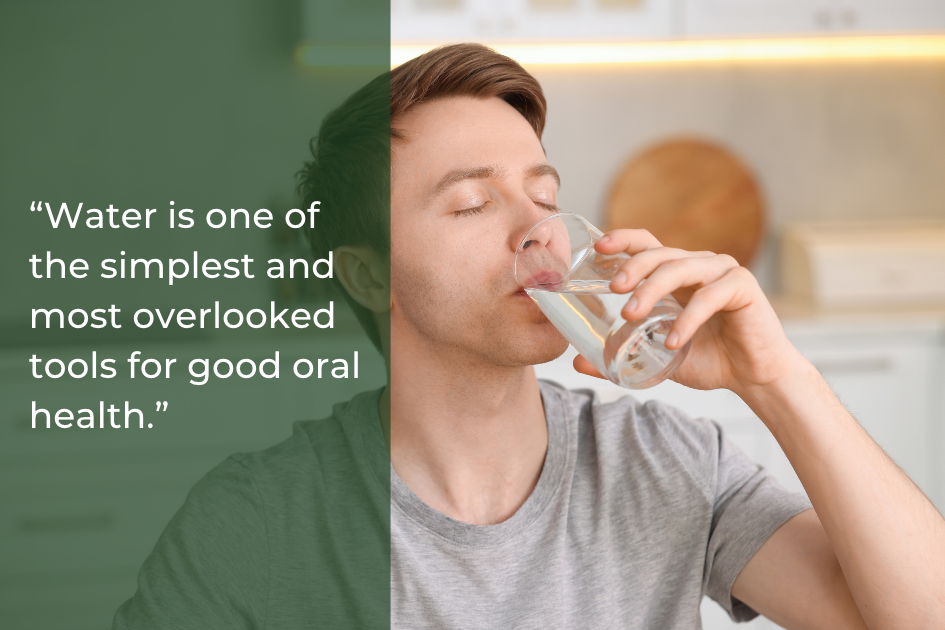
Water is one of the simplest and most overlooked tools for good oral health. It washes away food particles and bacteria, stimulates saliva production, helps neutralize acids, and prevents the dry mouth that allows bacteria to multiply unchecked. Drinking fluoridated water adds an extra layer of protection for your enamel. Making water your go-to drink throughout the day is one of the easiest changes you can make with immediate benefits for your oral health.
The Role of Professional Dental Cleanings in Taylor, TX
No matter how disciplined your home routine is, it has limits. Professional dental cleanings fill in the gaps and give your dentist the chance to catch issues you would never notice on your own.
What Happens During a Professional Dental Cleaning
A professional cleaning at Mallard Creek Dental is more thorough than most patients expect. Your hygienist will carefully remove plaque and tartar buildup from all surfaces of your teeth, including below the gum line where home care cannot reach. Your teeth are then polished to remove surface stains and create a smooth surface that makes it harder for plaque to stick. Dr. Brannock will also conduct a full examination of your teeth and gums, checking for early signs of cavities, gum disease, or other concerns. X-rays may be taken depending on how long it has been since your last set.
Why Home Care Alone Is Not Enough
Even with perfect brushing and flossing technique, plaque can harden into tartar in areas that are simply difficult to reach. Once tartar forms, it cannot be removed at home. Over time, tartar buildup creates the conditions for gum disease and decay. Professional cleanings remove that buildup before it has a chance to cause damage. They also give you access to personalized guidance based on what your hygienist actually sees in your mouth, not generic advice.
How Often You Should Be Visiting the Dentist
For most patients, a cleaning and exam every six months is the standard recommendation. Some patients with a history of gum disease or other ongoing concerns may benefit from more frequent visits. If you are not sure what schedule is right for you, that is a great question to bring up at your next appointment. The important thing is not to let too much time pass between visits. The longer you wait, the more opportunity there is for small, fixable problems to develop into bigger ones.
Oral Health Habits for the Whole Family
Good oral health habits look a little different at every age, and building them early makes a lasting difference.
Teaching Kids Good Dental Hygiene Early
Children who develop good brushing and flossing habits early are far more likely to carry those habits into adulthood. Make brushing engaging by letting kids choose their toothbrush, using a two-minute song, or turning it into a shared routine. Supervise brushing until around age seven or eight, when most kids have the dexterity to do it effectively on their own. Starting regular dental visits early also helps children feel comfortable with the dentist, which reduces anxiety as they get older.
Oral Health Tips for Teens and Adults
Teens face unique oral health challenges, including orthodontic appliances, increased sugar consumption, and sometimes a drop in motivation for daily hygiene. Reinforcing the why behind good habits helps. For adults, the biggest risks are often gum disease and the cumulative effects of years of diet and lifestyle choices. Staying consistent with brushing, flossing, and regular dental visits, along with wearing a night guard if you grind your teeth, covers the majority of what it takes to maintain a healthy smile through adulthood.
Special Considerations for Seniors
Oral health needs shift as we age. Dry mouth, which is a common side effect of many medications, increases the risk of decay and should be discussed with your dentist. Gum recession becomes more common, as does sensitivity. Staying hydrated, using fluoride products, maintaining a calcium-rich diet, and keeping up with regular dental visits are all especially important for seniors. If you wear dentures or have implants, your dentist can advise on the best care routine to keep them in good condition.
Build a Better Oral Health Routine with Help from Mallard Creek Dental in Taylor, TX
Dental Hygiene Month is a great reminder, but good oral health is a year-round commitment. Whether you are looking to tighten up your daily routine, get caught up on missed appointments, or find the right care plan for your family, Mallard Creek Dental in Taylor, TX is here to help. Dr. Richard Brannock and his team provide personalized, thorough care in a comfortable environment where you always know what to expect. Schedule your cleaning and exam today and start building the stronger, healthier smile you deserve.